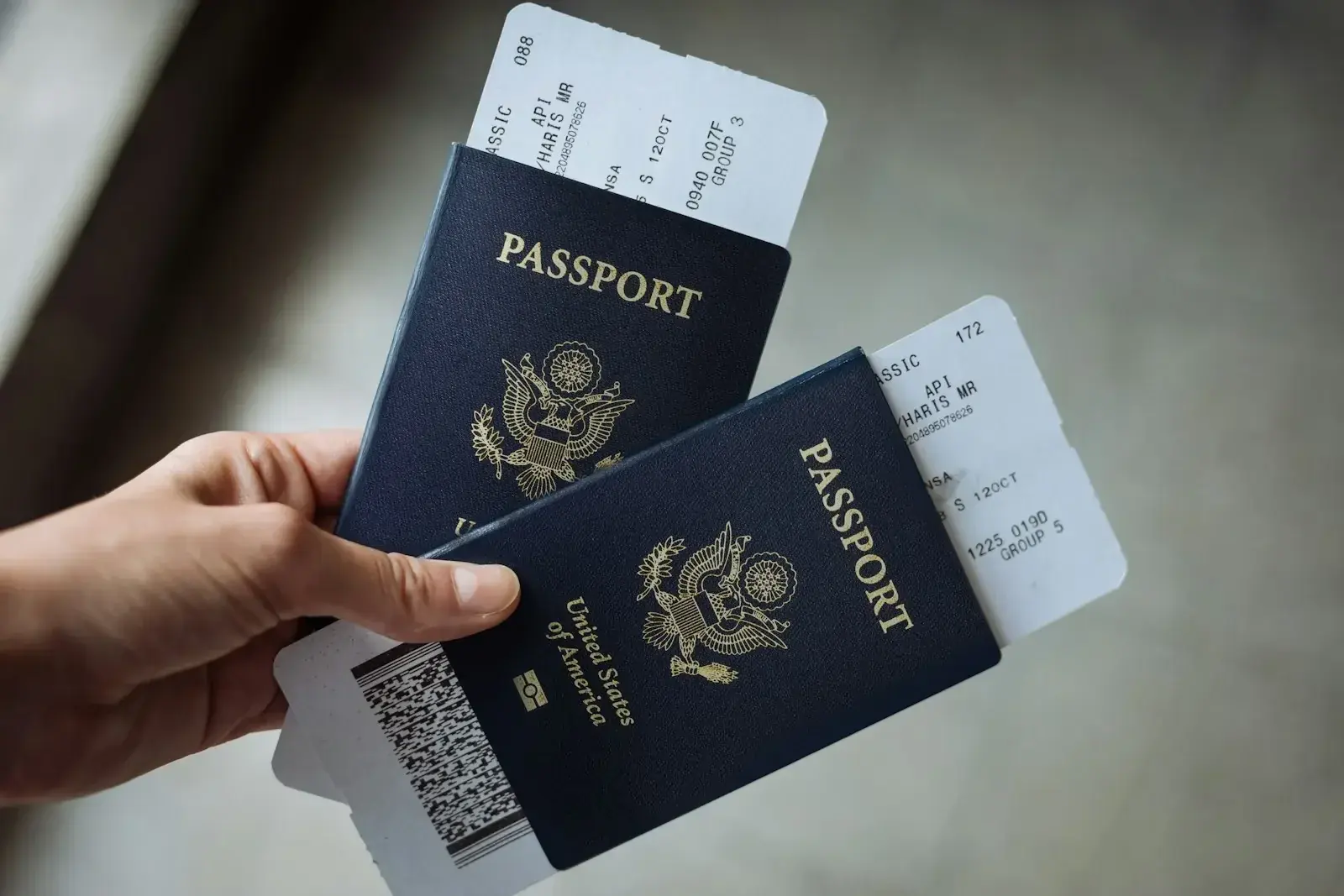
Australia's Department of Home Affairs implemented sweeping visa application fee increases across virtually all visa categories on July 1, 2026. Most categories rose by approximately 25%, while select visas — including the Resident Return Visa — saw increases exceeding 200%. Any organisation managing Australian assignments or sponsoring international workers into Australia needs to revisit its cost-of-assignment calculations immediately.
The Key Fee Changes
Key new fee figures (AUD):
- Skilled Independent (Subclass 189): $4,910 to $6,140 (+25%)
- Temporary Graduate (Subclass 485): $4,600 to $5,750 (+25%)
- Partner Visa: $9,365 to $11,710 (+25%)
- Resident Return Visa: $490 to $1,475 (+201%)
- Student Visa: $2,000 to $2,500 (+25%)
- Bridging Visa B: $190 to $575 (+203%)
Employer-sponsored routes — including the Temporary Skill Shortage Visa (Subclass 482) and Employer Nomination Scheme (Subclass 186) — are also affected. All fees are non-refundable from the point of lodgement.
The Impact on Assignment Costs
For organisations with active Australian mobility programs, the fee increases represent a direct and unbudgeted cost uplift across every lodgement type. A single employer-sponsored permanent residency pathway involving a primary applicant and partner — factoring in the primary visa, partner visa, and potential bridging visa — now costs significantly more in government charges alone.
The Resident Return Visa increase is particularly notable: at AUD $1,475 (up from $490), this is a 201% jump for a visa that Australian permanent residents and citizens holding expired PR must lodge to re-enter Australia. Organisations with long-term Australian assignees who hold PR and travel internationally should be aware of this change.
What to Do
Finance and HR teams should update all cost-of-assignment templates and global mobility policy fee schedules to reflect the new July 1 figures. Any assignment budgets approved before July 1 that include Australian visa costs should be revised. Prospective assignees in the pipeline should be informed of the updated government fee component in their relocation packages.
xpath.global and Australian Mobility
xpath.global supports organisations relocating employees to and within Australia — from Subclass 482 and 186 visa applications to full relocation and assignment management including school search, housing support, and in-country settling-in services. Our specialists can ensure your Australian mobility cost models are current and your assignees are fully supported.
Our Australia specialists can revise visa cost models, manage Subclass 482 and 186 filings, and coordinate full relocation support for your assignees.
Talk to our Australia teamSources: Albert Arthur Lawyers — July 16, 2026; GRIA Global Recruitment and Immigration Agency — July 4, 2026; Department of Home Affairs Visa Pricing Estimator.
xpath.global Editorial Team — July 2026