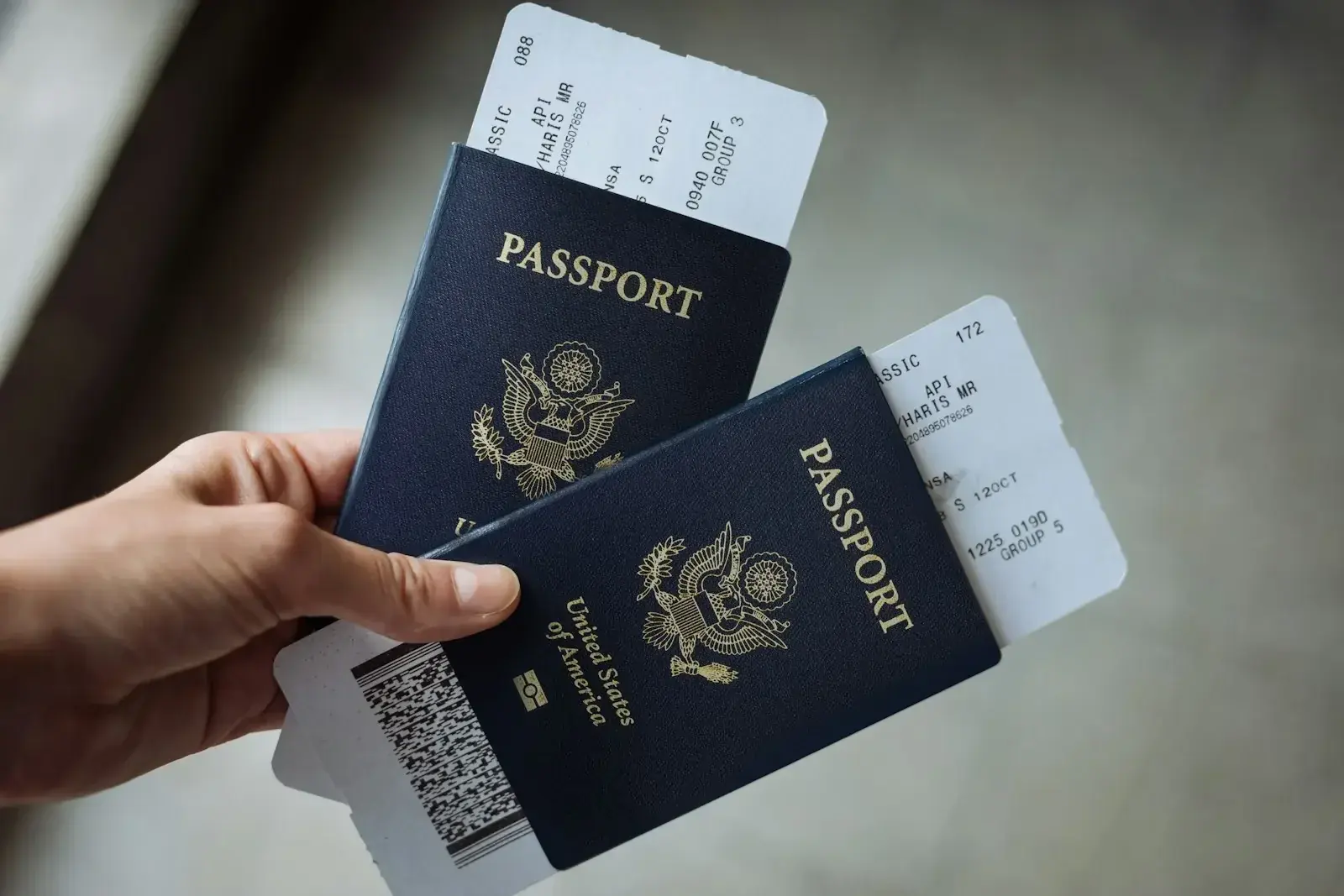
On 18 September 2026 the US Department of State announced that, from 1 October 2026, applicants for TN, TD and I visas will have their online presence reviewed as part of visa adjudication. TN is the USMCA route for Canadian and Mexican professionals, TD covers their spouses and children, and I covers foreign media representatives. Applicants in these categories are told to set every social media profile to "public" so consular officers can see it.
TN is one of the fastest ways to put a Mexican or Canadian professional to work in the United States. For employers running North American hiring or intra-company moves, that route now has an extra screening step, and it lands in eight days.
What Changes on 1 October
- Who is covered: TN applicants (Canadian and Mexican professionals under USMCA), TD dependants, and I visa applicants (foreign media).
- What is reviewed: social media accounts and activity, plus information held in online databases and on websites.
- What applicants must do: switch all social media privacy settings to public or open before the consular review.
- What can follow: information officers treat as derogatory can trigger additional security screening, which means longer processing and a possible refusal.
- Context: the State Department already applies online presence review to H-1B and H-4, F and M students, J exchange visitors and several other nonimmigrant categories. TN, TD and I are the latest additions.
One distinction matters for Canadians. Canadian citizens usually do not need a TN visa stamp from a consulate; most apply for TN status directly with US Customs and Border Protection at a port of entry or preclearance location. The announcement is framed around visa applicants and consular adjudication. It does not say that CBP will run the same review at the border, and it does not remove visa-exempt TN admission for Canadians. Mexican nationals, who do need a TN visa from a consulate, are squarely in scope.
What This Means for HR and Mobility Teams
The practical risk is inconsistency, not content. Officers are checking whether an applicant credibly qualifies for the category and intends to do the work described. A TN support letter that describes one role while the applicant's LinkedIn profile or the company website describes a different job title, employer or set of duties gives the officer a reason to ask questions.
That puts the employer's own paperwork under the spotlight:
- Job titles in support letters should match the USMCA profession being claimed and the title used publicly.
- Company bios, team pages and press releases naming the employee should tell the same story.
- Education and employment history in the application should match what appears online.
Plan for the possibility of longer lead times for Mexican TN professionals and TD family members applying at consulates in October and November, as posts absorb the new review. Start dates built on last quarter's timelines may slip.
Applicants should not delete accounts or scrub history ahead of an application. Concealment creates more risk than an honest discrepancy with a clear explanation.
Action Steps
- List your exposure. Identify every TN, TD and I case with a consular appointment on or after 1 October, and flag Mexican TN applicants first.
- Brief applicants. Tell them about the public-profile instruction and ask them to review job titles, employers and education on LinkedIn and other profiles for accuracy.
- Align the paper trail. Compare support letters, offer letters and any public company pages against each applicant's profile before filing.
- Build in buffer. Add time to start dates and assignment plans for consular TN and TD cases this autumn.
- Watch for guidance. Monitor State Department and CBP updates for any change affecting Canadians applying at the border.
How xpath.global Helps
xpath.global's business visa and immigration advisory team tracks screening changes like this across the corridors our clients use, and builds them into case preparation before the appointment, not after a refusal. Our platform keeps each employee's documents, role details and case status in one record, so the support letter, the offer and the profile tell the same story. If you move people between North America, Europe and beyond, speak to our team at https://xpath.global/contact about getting your US cases ready for 1 October.
"Sources: US Department of State, "Announcement of Expanded Screening and Vetting for Visa Applicants" — 18 September 2026 (travel.state.gov)."
Our business visa and immigration team aligns support letters, profiles and case files before the consular review.
Talk to our visa team