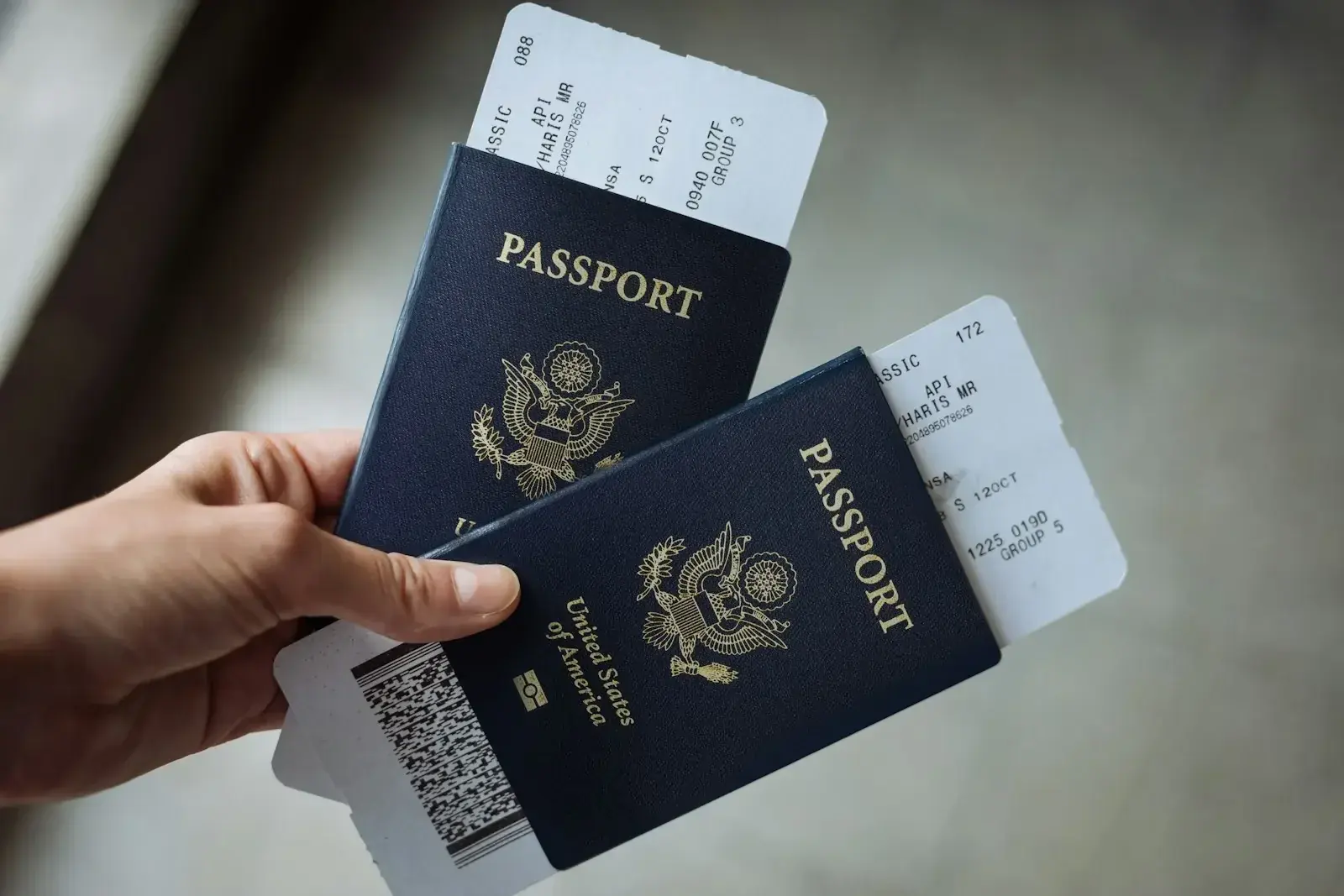
The UK Home Office published a new Statement of Changes to the Immigration Rules on 3 September 2026 (HC 584), and one change in particular puts sponsor licence holders on notice: Skilled Worker visa holders who are victims of exploitation by their sponsor can now work for any employer for the remaining duration of their existing permission, rather than being tied to the sponsor that exploited them.
What Has Changed
HC 584 amends the Immigration Rules across several routes, including work, family, student and the EU Settlement Scheme. The most significant change for employers sits in the Skilled Worker route:
- Skilled Worker visa holders identified as victims of modern slavery or labour exploitation by their sponsoring employer are no longer restricted to working for that sponsor. They can take up employment with any employer for the remainder of their visa validity.
- Appendix V (Visitor) has been amended to let Erasmus+ participants study at UK state-funded schools and academies for placements of up to six months, ahead of the UK's return to the Erasmus+ programme.
- Further amendments affect EU Settlement Scheme pre-settled status holders, victims of domestic abuse, and Hong Kong BN(O) family members.
Most of the changes in HC 584 take effect on 8 October 2026, with a small number of provisions following later in the autumn.
What This Means for HR and Mobility Teams
The exploitation-protection change is the one sponsor licence holders should read most carefully, even employers with no findings against them. It removes a long-standing structural problem with the Skilled Worker route: a sponsored worker who reports mistreatment has, until now, had few immediate options besides staying with the sponsor or losing their immigration status while they searched for a new one. That dynamic gave certain employers leverage that had nothing to do with genuine sponsorship compliance.
For compliant sponsors, the practical effect is smaller but still real:
- Home Office scrutiny of sponsor duties (right-to-work checks, reporting obligations, genuine vacancy requirements) is unlikely to loosen, and cases that trigger this protection will draw compliance attention to the sponsor involved.
- Mobility and HR teams managing Skilled Worker cohorts should expect any internal grievance or whistleblowing process to now intersect with immigration status in a more direct way, since an affected employee's visa is no longer contingent on staying with the business.
- Businesses using outsourced or franchised sponsor arrangements, where a UK entity sponsors workers who are then supplied to a third party, carry the highest exposure, since these are the structures where exploitation findings have concentrated in past enforcement action.
Action Steps
- Review sponsor licence duties and reporting logs ahead of the 8 October 2026 commencement date, particularly for any supply-chain or outsourced labour arrangements.
- Brief HR and line managers handling Skilled Worker employees on what the change means in practice, so grievances are routed correctly rather than treated purely as HR matters.
- Flag the Erasmus+ visitor change to any UK school or academy partnerships already exploring exchange placements.
- Confirm EU Settlement Scheme and BN(O) family cases in progress are assessed against the updated rules once they take effect, not the rules in place when the case was opened.
xpath.global's immigration and sponsor compliance specialists track UK Home Office rule changes as they're published, not once they take effect, so sponsor licence holders have time to adjust internal processes before a commencement date lands. Speak to our UK immigration team at https://xpath.global.
"Sources: GOV.UK, Home Office — "Statement of changes to the Immigration Rules: HC 584", 3 September 2026."