





Global mobility compliance has become significantly more complex in recent years. Companies managing international assignments, remote work, business travel, permanent transfers, and cross-border hiring now face an increasingly fragmented regulatory environment involving immigration, tax, payroll, social security, employment law, data privacy, and reporting obligations.
At the same time, governments are tightening enforcement. Immigration authorities are increasing scrutiny around work authorization and right-to-work documentation. Tax authorities are paying closer attention to remote work and permanent establishment risks. The EU Pay Transparency Directive is introducing new reporting and compensation transparency obligations. Data privacy requirements continue to evolve under frameworks such as GDPR. Across all of these areas, employers are expected to maintain accurate records, track deadlines, and demonstrate compliance in real time.
For global mobility professionals, this creates a difficult operational challenge. Compliance is no longer just about reacting to issues when they arise. The most effective mobility programs are now proactive — using technology to anticipate risks, automate repetitive processes, centralize data, and improve visibility across global employee movement.
This is where global mobility software platforms like xpath.global are becoming essential. By combining workflow automation, compliance tracking, document management, reporting, and vendor coordination into one environment, companies can reduce manual work and improve compliance confidence across jurisdictions.
Why Reactive Compliance Models No Longer Work
Traditionally, many global mobility programs relied on spreadsheets, email chains, shared drives, and manual reminders to manage employee movement. While this approach may have worked for smaller programs, it becomes increasingly risky as organizations expand internationally.
A single mobile employee can trigger multiple compliance obligations at once, including:
| Compliance Area | Common Risk |
|---|---|
| Immigration | Expired visas or work permits |
| Tax | Payroll withholding failures |
| Social Security | Incorrect coverage or certificates |
| Employment Law | Misclassification or local law violations |
| Data Privacy | Incomplete GDPR handling |
| Payroll | Incorrect compensation reporting |
| Relocation | Missing approvals or policy inconsistencies |
| Vendor Coordination | Delayed service delivery |
| Reporting | Inaccurate mobility data |
The challenge is often not a lack of expertise. It is the lack of centralized visibility.
For example, a mobility team may know an employee’s visa expires soon, but payroll may not know the assignment has been extended. A relocation provider may update housing information while HR still references outdated assignment dates. Tax providers may need travel-day tracking that employees have not submitted. When information sits in disconnected systems, compliance gaps become more likely.
Reactive compliance also increases stress for employees. Mobile employees frequently face uncertainty around immigration renewals, tax obligations, payroll changes, relocation logistics, and document requirements. Delays or missing information can negatively affect both employee experience and business continuity.
This is why companies are increasingly moving toward proactive, technology-enabled mobility management.
The Shift Toward Proactive Global Mobility Compliance
Proactive compliance means identifying and managing risks before they become urgent issues. Instead of relying on manual follow-ups, companies use technology to automate reminders, standardize workflows, centralize documentation, and improve reporting accuracy.
This shift is especially important because regulatory environments continue to change rapidly. Governments regularly update immigration rules, tax reporting obligations, social security requirements, and employment compliance standards. A compliance process that depends entirely on manual oversight can quickly fall behind.
Technology helps global mobility teams create repeatable and scalable processes. Instead of building each assignment manually, organizations can establish structured workflows for different mobility types, including:
🔸Long-term assignments
🔸Short-term assignments
🔸Remote work abroad
🔸Permanent transfers
🔸Business travelers
🔸Localizations
🔸International hires
🔸Commuter arrangements
With the right platform, each mobility category can include pre-defined compliance checks, document requirements, approval steps, and reporting triggers.
This creates consistency across the mobility program while reducing administrative burden for HR and mobility professionals.
How xpath.global Supports Proactive Compliance Management
xpath.global is designed to help HR and global mobility teams manage international employee movement through a centralized, technology-enabled platform. The platform combines mobility workflows, document management, compliance tracking, reporting, vendor coordination, and employee experience tools in one integrated environment. (xpath.global)
One of the platform’s major strengths is its ability to improve visibility across the mobility lifecycle. Instead of relying on fragmented systems, companies can manage employee mobility data, assignment milestones, compliance tasks, and service provider coordination from a single source of truth.
This centralized approach helps organizations reduce manual errors, strengthen governance, and respond more effectively to changing compliance requirements.
Automated Document Expiration Reminders
One of the most valuable features for mobility compliance is automated document tracking and expiration management.
International assignments often involve multiple time-sensitive documents, including:
| Document Type | Compliance Concern |
|---|---|
| Work permits | Expiration risk |
| Visas | Renewal deadlines |
| Passports | Validity requirements |
| Residence permits | Local compliance obligations |
| Social security certificates | Coverage expiration |
| Assignment letters | Policy alignment |
| Tax forms | Filing deadlines |
| Insurance documentation | Coverage gaps |
Managing these deadlines manually is extremely difficult, particularly for organizations with large mobile populations across several jurisdictions.
xpath.global helps address this challenge through automated reminders and workflow notifications. HR teams and employees can receive alerts before important documents expire, helping reduce the risk of missed renewals or compliance interruptions.
This feature is particularly valuable for immigration compliance. Missing a visa or permit renewal deadline can create serious operational and legal consequences for both the employer and employee. Automated tracking improves accountability and helps ensure renewal processes begin early enough.
Customizable Workflows for Different Mobility Scenarios
No two mobility programs are identical. A company managing executive relocations across Europe may have different compliance needs than a business managing frequent short-term project travel in Asia or remote workers in multiple countries.
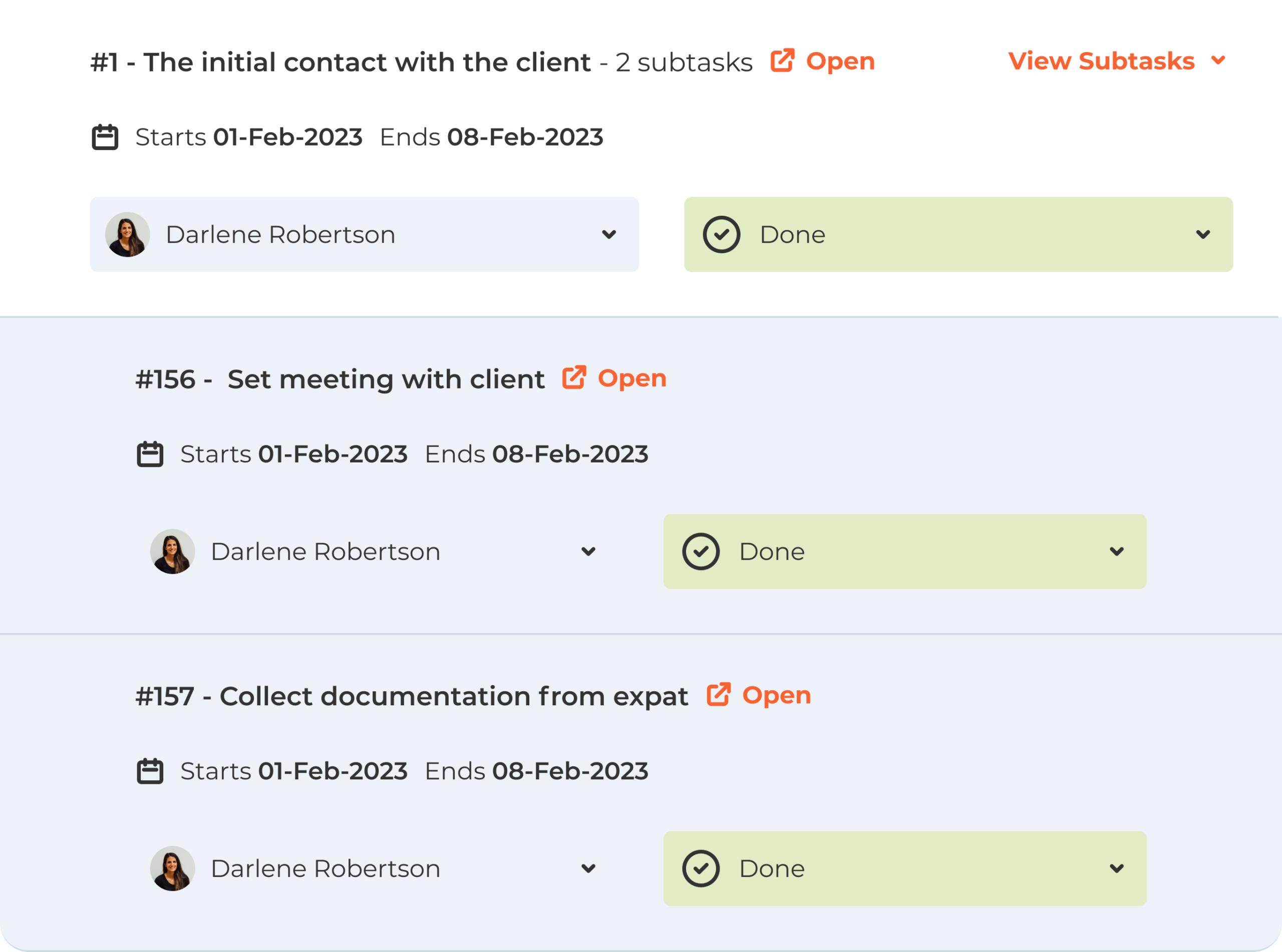
xpath.global supports customizable workflows that allow organizations to tailor processes based on assignment type, policy structure, approval requirements, and regional obligations. (xpath.global)
For example, a long-term assignment workflow may include:
🔸Immigration initiation
🔸Compensation review
🔸Tax briefing coordination
🔸Relocation support
🔸Social security review
🔸Assignment letter approval
🔸Payroll setup
🔸Housing coordination
🔸Compliance checklists
Meanwhile, a short-term business traveler workflow may focus more heavily on travel tracking, tax thresholds, and immigration review.
Customizable workflows help organizations standardize processes without forcing every employee movement into the same structure. This flexibility is critical in today’s mobility environment, where companies manage multiple mobility types simultaneously.
Reporting and Analytics for Better Compliance Visibility
One of the biggest weaknesses in manual mobility programs is limited reporting capability. When data is spread across spreadsheets and vendors, leaders struggle to answer basic compliance questions, such as:
🔸Which employees have expiring work permits?
🔸Which assignees are currently in high-risk tax jurisdictions?
🔸How many remote workers are active internationally?
🔸Which assignments are approaching end dates?
🔸Which vendors have outstanding actions?
🔸Which employees require social security renewals?
🔸What are current mobility costs by region?
xpath.global provides reporting and analytics tools that help organizations gain stronger visibility into mobility activity and compliance status. (xpath.global)
This visibility allows global mobility teams to move from reactive problem-solving to proactive risk management. Instead of waiting for issues to surface manually, teams can monitor trends, identify bottlenecks, and prioritize action earlier.
Reporting tools are also increasingly important for executive leadership and audit readiness. Senior stakeholders want accurate data around assignment costs, compliance exposure, workforce movement, and mobility program performance. Technology platforms make this reporting more reliable and less time-consuming.
Improving Data Accuracy Across Global Mobility Programs
Data accuracy is one of the most important elements of mobility compliance. Immigration, payroll, tax, and employment obligations all depend on accurate employee information.
However, mobility data is often fragmented across:
🔸HRIS systems
🔸Payroll platforms
🔸Immigration providers
🔸Tax vendors
🔸Relocation vendors
🔸Expense systems
🔸Shared drives
🔸Spreadsheets
🔸Email communications
This fragmentation increases the likelihood of conflicting or outdated information.
xpath.global helps improve data consistency by centralizing mobility-related records and workflows in one environment. This includes assignment details, employee profiles, vendor coordination, approvals, compliance tasks, and supporting documents.
Improved data accuracy supports stronger decision-making while reducing administrative duplication. It also improves collaboration between HR, payroll, legal, finance, immigration providers, and relocation vendors.
Managing Regulatory Changes More Effectively
Global mobility regulations continue to evolve rapidly. Recent developments affecting mobility teams include:
🔸EU Pay Transparency Directive requirements
🔸Increased remote work tax scrutiny
🔸Immigration processing changes
🔸Digital nomad visa programs
🔸Social security coordination updates
🔸Permanent establishment guidance
🔸Enhanced labor inspections
🔸Local payroll registration obligations
Tracking these changes manually across multiple jurisdictions is difficult and time-consuming.
Technology platforms help mobility teams maintain more structured compliance management processes. By using centralized workflows, automated reminders, reporting dashboards, and document tracking, organizations can adapt more quickly when regulations change.
xpath.global’s platform supports this operational agility by helping companies maintain organized mobility records, manage compliance milestones, and coordinate stakeholders more effectively across countries and vendors.
Enhancing Employee Experience Through Technology
Compliance is not only an operational issue — it is also an employee experience issue.
Mobile employees often feel overwhelmed by relocation logistics, immigration paperwork, tax obligations, payroll changes, and assignment administration. Delays or inconsistent communication can create frustration during already stressful transitions.
Technology platforms improve employee experience by creating clearer processes, better visibility, and centralized communication.
xpath.global supports employee engagement through secure document sharing, workflow transparency, centralized communication, and structured task management. Employees gain greater visibility into assignment progress while HR teams reduce repetitive administrative follow-ups.
A smoother mobility experience also supports talent retention and employer branding. Employees who feel supported during international moves are more likely to remain engaged and confident in the organization.
Conclusion
Global mobility compliance is becoming more complex, more regulated, and more data-driven. Immigration requirements, tax obligations, social security rules, employment law, payroll reporting, and data privacy expectations continue to evolve across jurisdictions. Companies that rely entirely on manual processes face growing operational and compliance risks.
Technology is now essential for proactive global mobility management. Automated document expiration reminders, customizable workflows, centralized reporting, analytics, and improved data accuracy help organizations reduce risk while improving operational efficiency and employee experience.
xpath.global provides HR and global mobility professionals with a centralized platform designed to simplify international employee movement and strengthen compliance management. Through workflow automation, document management, reporting tools, vendor coordination, and compliance visibility, the platform helps organizations stay ahead of regulatory changes while reducing administrative complexity.
Ready to modernize your global mobility compliance strategy? Explore xpath.global’s platform and services to automate workflows, centralize mobility data, manage compliance deadlines, improve reporting accuracy, and give your HR team the visibility it needs to stay ahead of global regulatory changes. Book a demo with xpath.global today and discover how smarter mobility technology can support your international workforce with confidence.