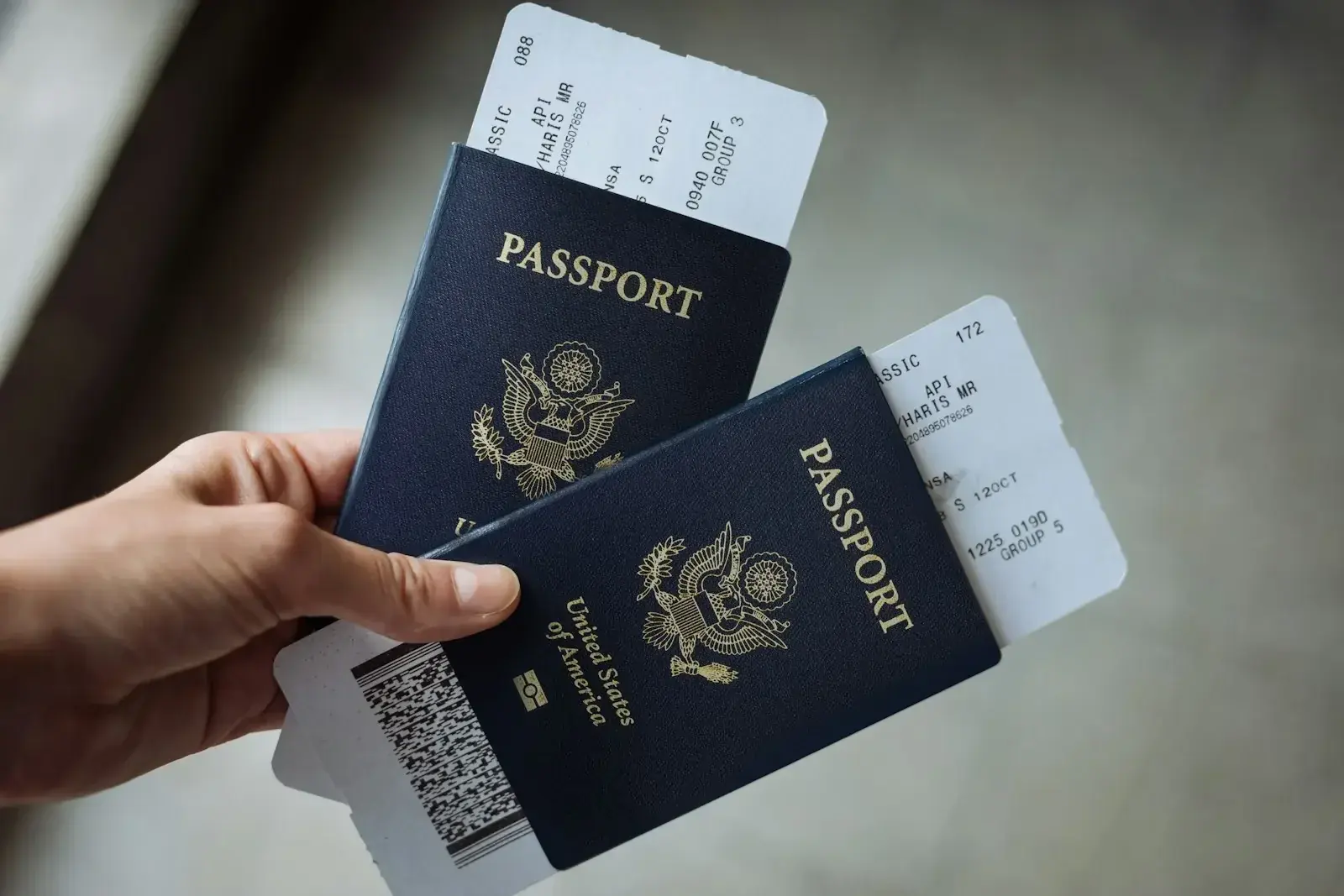
The EU's Entry/Exit System (EES), which came into full operation in April 2026, is causing significant disruption at European airports during peak summer travel — with processing times for non-EU travellers tripling at some major gateways. For global mobility teams managing frequent cross-border travel for international assignees, business travellers, and employees on short-term projects in the EU, this is a practical complication that requires immediate itinerary planning adjustments.
What EES Is Doing at Borders
EES replaces passport stamp checks at EU external borders with an automated digital system that records biometric data — fingerprints and facial images — for every third-country national entering or exiting the Schengen Area. Fully operational since April 2026, EES applies to all non-EU, non-EEA nationals, including UK nationals post-Brexit.
The operational reality is proving harder than projected. Airport operators at Rome Fiumicino and Faro (Portugal) have publicly reported that average processing times for British nationals have increased:
- Rome Fiumicino: from 7 minutes to 20 minutes per traveller
- Faro (Portugal): from 10 minutes to over 30 minutes per traveller
Major airline and airport industry bodies — including IATA, Ryanair, and airport operators in Spain, Italy, Portugal, and Belgium — have called for a suspension of EES during the peak summer travel period. The European Commission has refused, though it acknowledged the system is "not perfect" and pledged technical improvements.
France's Interior Ministry offered a more favourable assessment, noting that EES has already refused entry to over 44,000 individuals since launch and processed 110 million border crossings — evidence, they argue, that it is functioning as intended as a security tool.
What This Means for HR and Mobility Teams
Any organisation with employees regularly crossing EU external borders — particularly UK nationals, US nationals, or other non-EEA passport holders working in or regularly travelling to EU member states — faces material operational disruption:
Extended buffer times at airports
A 20-to-30-minute increase per person at passport control effectively adds significant risk to tight connection windows and same-day cross-border itineraries. Assignees and business travellers should add at least 45 minutes to previously standard airport buffer times at EU entry points.
Short-term assignment travel complexity
Employees on short-term assignments, project-based work, or frequent business travel into the Schengen Area should register their biometric data with the EES system at their first border crossing to speed subsequent entries. First registration is the bottleneck — subsequent crossings are faster.
90/180-day Schengen rule compliance
EES now digitally enforces the 90-day-in-180-day rule for non-EEA nationals with greater accuracy than manual stamping. Accidental overstays that previously went undetected will now generate automated refusal alerts. Employers with business travellers in the EU should ensure all travel is properly tracked against this limit.
Summer travel
The disruption is worst during July and August peak season. Where possible, schedule non-essential EU travel in off-peak months until the system stabilises.
xpath.global's relocation and assignment management specialists support employees travelling to and working within the EU — including Schengen compliance monitoring, business travel authorisation management, and pre-assignment briefings on EES and border requirements.
Our mobility specialists can brief your travellers, track Schengen compliance and manage business travel authorisation for EU assignments.
Learn how we support your travellersSources: The Local (European edition) — July 20, 2026; France Interior Ministry statement — July 2026; IATA / airport operator statements — July 2026.
xpath.global Editorial Team — July 2026