






Managing international workforces has evolved far beyond simple employee relocations. Today’s HR and global mobility professionals coordinate short-term business travel, remote work arrangements, commuter assignments, and traditional long-term relocations across multiple jurisdictions. Each assignment type brings unique compliance requirements, tax implications, and employee experience considerations. The strategic scope of global mobility now directly influences business agility, talent retention, and competitive advantage. This article delivers four actionable tips grounded in recent industry research to help you align mobility programs with business objectives, embrace flexibility, leverage technology effectively, and enhance employee satisfaction throughout international assignments.
1. Align your mobility strategy with broader business objectives
Your global mobility program cannot operate in isolation. Alignment of mobility strategies with broader business objectives is the top priority for 72% of respondents in recent industry benchmarking. When mobility policies directly support company expansion plans, innovation goals, and talent development frameworks, organizations gain the agility to respond quickly to market opportunities and competitive threats.
Integrating mobility with overall business strategy requires deliberate collaboration across departments. Finance teams need visibility into assignment costs and budget forecasts. Legal departments must understand compliance exposures in new markets. Business unit leaders should influence assignment policies to support their operational needs. This cross-functional approach transforms mobility from an administrative function into a strategic enabler of business growth.
Follow these steps to strengthen alignment:
- 🔸Conduct quarterly strategy reviews with stakeholders from HR, finance, legal, and business units to assess how mobility supports current priorities
- 🔸Define clear objectives for each assignment type that map to specific business outcomes like market entry, knowledge transfer, or leadership development
- 🔸Establish metrics that measure mobility’s contribution to business goals, not just operational efficiency
- 🔸Build flexibility into policies so you can pivot quickly when business priorities shift
Pro Tip: Create a mobility steering committee with representatives from key departments to review policy changes and ensure decisions reflect both business needs and employee welfare.
When you align mobility with business strategy, you create a framework that supports workforce diversity, promotes inclusive career development, and builds organizational resilience. Choosing the right global mobility technology helps operationalize this alignment by providing the data visibility and process automation needed to execute complex strategies efficiently.
2. Embrace adaptability and diverse assignment types
Global mobility encompasses far more than traditional expatriate relocations. Modern workforce strategies include short-term business travel, fully remote international work arrangements, commuter assignments where employees live in one country and work in another, and hybrid models combining multiple elements. The need to be adaptable to business requirements is the third highest priority for 51% of respondents in mobility leadership surveys.
This diversity in assignment types gives organizations powerful flexibility in deploying talent. You can send specialists to new markets for weeks rather than years, reducing costs while transferring critical knowledge. Remote work arrangements let you access global talent pools without relocation expenses. Commuter assignments support cross-border collaboration in regions with integrated economies. Each model serves different business needs and employee preferences.

Offering varied assignment options becomes a competitive advantage in talent acquisition and retention. High-potential employees increasingly expect international experience as part of career development. When you provide multiple pathways for global exposure, you accommodate different life stages, family situations, and career goals. This inclusive approach attracts diverse talent and reduces the risk of losing valued employees who cannot commit to traditional long-term relocations.
Consider these assignment types for your mobility portfolio:
- 🔸Short-term assignments (under 12 months) for project work, training delivery, or market assessment
- 🔸Virtual assignments where employees work remotely for international teams without relocating
- 🔸Commuter arrangements for weekly or monthly cross-border travel
- 🔸Rotational programs moving employees through multiple locations for development
- 🔸Permanent transfers for critical roles requiring long-term presence
“The future of global mobility lies in flexibility. Organizations that offer diverse assignment models position themselves to attract and retain the best talent while meeting dynamic business needs.”
Understanding global mobility technology impact helps you manage this complexity without overwhelming your team. The right systems track compliance requirements across assignment types, automate routine tasks, and provide visibility into your entire mobile workforce regardless of assignment structure.
3. Harness technology to boost efficiency and compliance
Technology transforms global mobility from an administrative burden into a strategic capability. Mobility leaders expect to increase the strategic value of their programs from 6.0 to 7.1 out of 10 in the next 12 to 18 months, and modern platforms are the primary driver of this improvement. When you automate compliance tracking, centralize vendor management, and digitize documentation, your team gains capacity to focus on strategy rather than spreadsheets.
Modern mobility platforms deliver measurable benefits across your program. Automated workflows ensure consistent processes regardless of which team member handles an assignment. Centralized data repositories eliminate the risk of critical information living in individual email inboxes. Real-time reporting gives executives visibility into program costs, compliance status, and assignment progress. Integration with HRIS and payroll systems reduces manual data entry and associated errors.
Follow this framework to evaluate and implement technology solutions:
- Assess your current pain points by surveying mobility team members, assignees, and business stakeholders about process frustrations and information gaps
- Define requirements based on your assignment volume, geographic footprint, and compliance complexity rather than generic feature lists
- Evaluate platforms on total cost of ownership including implementation, training, and ongoing support, not just license fees
- Prioritize vendors offering proven integration capabilities with your existing HR technology stack
- Plan a phased rollout starting with one assignment type or region to build confidence and refine processes before full deployment
Pro Tip: Request detailed compliance tracking demonstrations during vendor evaluations. The platform should automatically alert you to upcoming visa renewals, tax filing deadlines, and social security threshold changes without manual calendar management.
This comparison shows how key technology features translate into concrete compliance and efficiency benefits:
| Technology Feature | Compliance Benefit | Efficiency Benefit |
|---|---|---|
| Automated deadline tracking
|
Prevents visa expirations and missed filings
|
Eliminates manual calendar management
|
| Centralized document repository
|
Ensures audit-ready records accessible instantly
|
Reduces time searching emails for critical files
|
| Vendor marketplace integration
|
Maintains vetted provider network for quality
|
Streamlines procurement and reduces vendor onboarding time
|
| Real-time cost tracking
|
Identifies budget overruns before they escalate
|
Provides accurate forecasting for finance planning
|
| Workflow automation
|
Enforces consistent policy application
|
Frees team capacity for strategic advisory work
|
Many organizations discover that switching to affordable mobility technology delivers rapid ROI through reduced administrative costs and improved compliance outcomes. When evaluating options, focus on platforms designed specifically for global mobility rather than generic HRIS modules that lack the specialized compliance features your program requires. Choosing global mobility technology that matches your organizational maturity and growth trajectory ensures you invest in capabilities you will actually use.
4. Enhance employee experience during international assignments
Technology and process efficiency matter little if assignees struggle with their international experience. The race for scarce talent and demand for flexible, innovative working models are reshaping mobility strategy, making employee satisfaction a critical success factor. When assignees feel supported, informed, and valued throughout their international experience, they perform better, stay longer, and become advocates for future mobility opportunities.
Employee experience begins long before departure. Clear communication about assignment expectations, compensation structures, and support resources reduces anxiety and builds confidence. Providing cultural orientation and language training helps assignees and their families adapt more quickly to new environments. Assigning a dedicated point of contact who can answer questions and solve problems creates a safety net that prevents small issues from becoming major frustrations.
The support you provide during assignments directly impacts business outcomes. Research consistently shows that strong support systems reduce assignment failure rates, which can cost organizations hundreds of thousands of dollars in wasted relocation expenses and lost productivity. Satisfied assignees also become internal ambassadors who encourage other high-potential employees to pursue international opportunities, strengthening your talent pipeline.
Implement these employee-centric practices:
- 🔸Conduct pre-assignment consultations to understand individual concerns, family needs, and career expectations rather than applying one-size-fits-all approaches
- 🔸Provide comprehensive destination guides covering practical topics like housing, schools, healthcare, and banking to reduce the cognitive load of relocation planning
- 🔸Establish regular check-ins at 30, 60, and 90 days to identify emerging issues before they escalate into serious problems
- 🔸Create peer networks connecting current assignees with others who have completed similar assignments for informal mentoring and advice
- 🔸Offer repatriation planning well before assignment completion to ensure smooth transitions home and retain institutional knowledge
“Employee experience is not a soft metric. It directly influences assignment success rates, knowledge transfer effectiveness, and your ability to mobilize talent for future business needs.”
Understanding how global mobility enhancing employee experience creates competitive advantage helps you prioritize investments in support services and communication tools. When assignees feel genuinely supported, they focus on their work objectives rather than logistics frustrations, delivering better business results while building positive perceptions of your organization’s commitment to employee welfare.
Discover solutions to streamline your global workforce management
Implementing these international workforce management tips requires the right combination of technology, expertise, and service delivery. xpath.global provides a unified platform connecting HR teams, employees, and service providers in one digital ecosystem designed specifically for global mobility complexity. Our technology automates compliance tracking across immigration, tax, and social security requirements while giving you real-time visibility into assignment costs and progress.
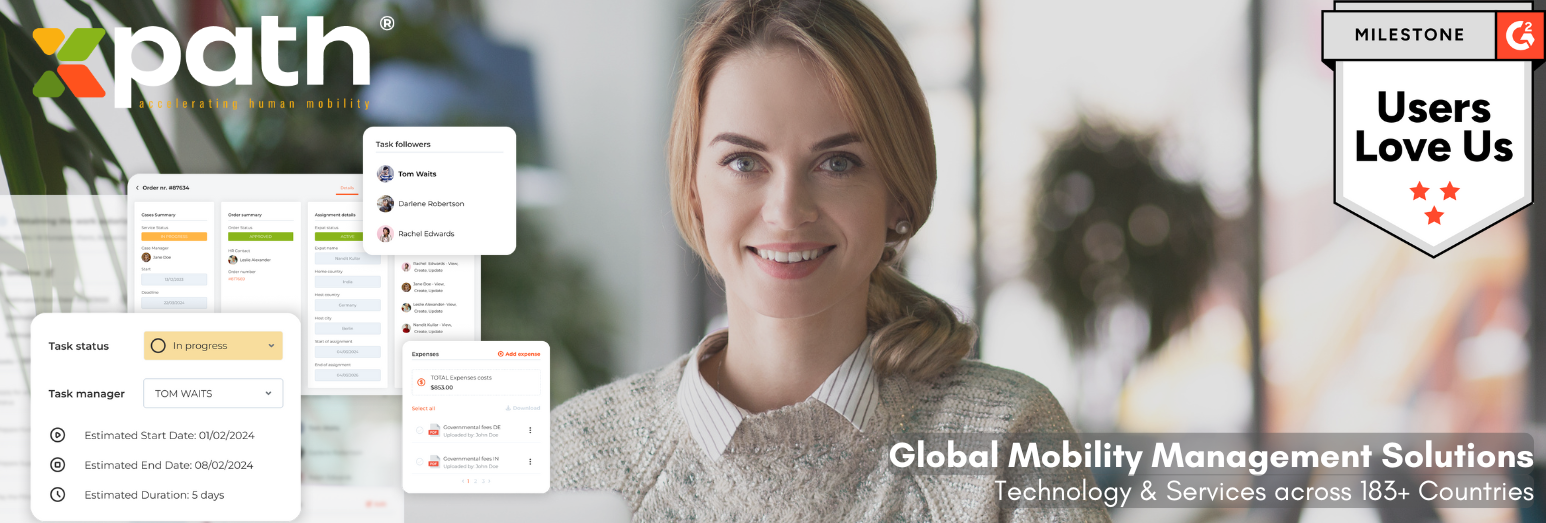
Whether you are crafting a global mobility program that embraces remote work, choosing the right global mobility technology to replace spreadsheets, or seeking comprehensive global mobility solutions that combine platform capabilities with expert consulting, xpath.global delivers the tools and support to execute the strategies outlined in this article efficiently and compliantly.
FAQ
What are the main types of international assignments besides relocation?
International workforce management includes short-term business travel typically under 90 days, remote work arrangements where employees work internationally without relocating, commuter assignments involving regular cross-border travel, and traditional long-term relocations. Each assignment type serves different business objectives and requires distinct compliance approaches. Understanding global mobility services employee immigration requirements across these models helps you deploy talent flexibly while maintaining compliance.
How can technology improve compliance in international workforce management?
Modern platforms automate visa expiration tracking, tax filing deadline alerts, and social security threshold monitoring, eliminating manual calendar management and reducing compliance errors. Technology centralizes documentation for audit readiness and generates reports showing compliance status across your entire mobile workforce. These capabilities free your team from administrative tasks while providing executives with transparency into program risk. Learn more about achieve global mobility compliance through strategic technology adoption.
What strategies enhance employee satisfaction during international assignments?
Provide comprehensive pre-assignment orientation covering cultural norms, practical logistics, and compensation details to set clear expectations. Offer ongoing support through regular check-ins, dedicated points of contact, and peer networks connecting assignees with experienced colleagues. Create feedback channels where employees can raise concerns promptly and see responsive action. These practices demonstrate organizational commitment to employee welfare beyond business objectives. Discover how to enhance employee experience in global mobility through systematic support frameworks.
Why is aligning mobility strategy with business objectives important?
Alignment ensures mobility investments directly support organizational priorities like market expansion, innovation, and talent development rather than operating as isolated HR functions. When mobility policies reflect business needs, you gain stakeholder buy-in, secure appropriate budgets, and demonstrate measurable value. This strategic positioning elevates mobility from administrative overhead to competitive advantage. Seventy-two percent of mobility leaders identify this alignment as their top priority for program success.
How does offering diverse assignment types help with talent retention?
Different employees have varying capacity for international mobility based on family situations, career stages, and personal preferences. Providing options like short-term projects, remote work, and commuter arrangements accommodates this diversity while still offering international experience. Employees who might decline traditional relocations often accept alternative assignment structures, expanding your talent pool for global work. This flexibility demonstrates organizational understanding of individual circumstances, strengthening employee loyalty and reducing turnover among high-potential staff.