





MPs Warn of Labor Shortages Impact on UK Food Sector
MPs have warned that ministers’ failure to address labor shortages caused by Brexit and the Covid epidemic could “permanently” reduce the UK’s food sector, resulting in price increases.
Alarming Report Highlights Labor Shortages
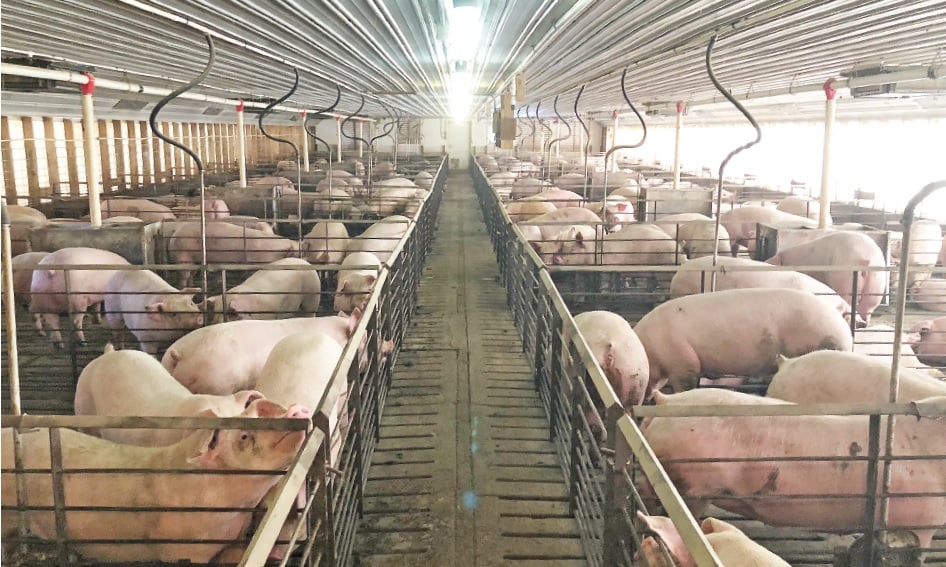
The Commons Environment, Food and Rural Affairs Committee reported that these shortages were causing farmers to leave crops unharvested in fields, allowing them to perish, and cull healthy pigs. The report called for immediate government action to address these issues.
Significant Vacancy Rates in the Food Sector
According to the MPs, vacancies in the sector were anticipated to be 500,000 out of 4.1 million posts as of August 2021. Industry officials attributed these labor shortages primarily to Brexit and the Covid-19 pandemic.
Threats to Food Security and Industry Viability
“We found clear evidence that labor shortages have badly affected the food and farming industry — threatening food security, the welfare of animals, and the mental health of those working in the sector,” the report added. The MPs warned that labor shortages could permanently shrink the UK’s largest manufacturing sector, potentially leading to wage rises, price increases, reduced competitiveness, and increased reliance on imported food.
Severe Impact on the Pig Sector
Government’s Response Criticized
MPs on the Environment Committee, who launched their inquiry following a shortage of HGV drivers, criticized the government’s response. They noted that the government had failed to grasp the labor issues and called for a radical shift in the government’s approach. The report accused the government of failing to demonstrate a “strong understanding” of the issues and of attempting to “pass the blame onto the sector” based on incorrect information about the UK’s immigration system.
Call for Government Action
Neil Parish, the Conservative MP who chairs the committee, emphasized the serious implications for the well-being of those working in the food sector. He urged the government to change its attitude towards the food and farming sector, to trust the industry, and to act promptly when concerns are raised. “Our food and farmers depend on it,” he concluded.