






Global mobility has evolved from a transactional cost center into a strategic business driver that directly impacts talent acquisition, retention, and organizational agility. Yet many HR and mobility managers struggle to demonstrate program ROI while navigating increasingly complex compliance requirements and flexible work demands. This guide provides a clear, evidence-backed framework for understanding global mobility fundamentals, current challenges, technology solutions, and actionable best practices that transform mobility programs from administrative burdens into competitive advantages for your organization in 2026.
What is global mobility? Defining the concept and scope
Global mobility refers to the comprehensive management of international employee relocation, assignments, and compliance across borders. It encompasses far more than simply moving people from one country to another. Modern global mobility programs coordinate immigration processes, tax compliance, policy administration, vendor management, employee support services, and technology integration to enable organizations to deploy talent strategically wherever business needs demand.
The scope of global mobility has expanded significantly in recent years. Traditional long-term assignments and permanent relocations now share space with short-term assignments, commuter arrangements, remote work authorizations, and business traveler management. Each mobility type carries distinct compliance obligations, cost implications, and employee experience considerations that HR and mobility managers must navigate simultaneously.
Global mobility’s strategic importance has intensified as the race for scarce talent and demand for flexible work reshape mobility strategy. Organizations competing for specialized skills can no longer rely solely on local hiring. They must move talent fluidly across markets, adapt to employee preferences for location flexibility, and maintain compliance in multiple jurisdictions simultaneously.
Key functions that define effective mobility programs include:
- 🔸Policy design and management that balances business needs with employee expectations
- 🔸Immigration and work authorization coordination across multiple countries
- 🔸Tax compliance and social security management to mitigate organizational risk
- 🔸Vendor selection and oversight for relocation, housing, and destination services
- 🔸Assignment cost projection and budget management
- 🔸Employee communication and support throughout the relocation lifecycle
- 🔸Technology platform implementation for workflow automation and reporting
- 🔸Data analytics to measure program performance and demonstrate ROI
Understanding these foundational elements helps mobility managers build programs that serve both business objectives and employee needs effectively.
Challenges and strategic value in global mobility programs
The priorities driving global mobility have shifted dramatically. The number one challenge among mobility leaders is focused on demonstrating program ROI, with cost management now less of a priority. This represents a fundamental change in how organizations view mobility investments and what they expect from program leaders.
Mobility professionals face mounting pressure to prove strategic value. Mobility leaders expect to increase the strategic value of their programs from 6.0 to 7.1 out of 10 in the next 12 to 18 months. This ambitious target reflects both opportunity and urgency as organizations recognize mobility’s potential to drive competitive advantage.
The shift from cost containment to value demonstration requires mobility managers to develop new capabilities in data analytics, stakeholder communication, and business alignment that many traditional programs lack.
Primary challenges confronting mobility leaders today include:
- 🔸Demonstrating clear ROI through metrics that resonate with executive leadership
- 🔸Aligning mobility programs with broader business strategy and talent objectives
- 🔸Managing compliance complexity across multiple jurisdictions with varying regulations
- 🔸Balancing program standardization with flexibility to meet diverse business unit needs
- 🔸Adapting to employee expectations for choice, transparency, and support quality
- 🔸Integrating technology solutions that genuinely improve efficiency rather than adding complexity
Talent scarcity amplifies these challenges. Organizations cannot fill critical roles locally and must tap global talent pools, yet they face resistance from employees unwilling to relocate without compelling packages and seamless support. Flexible work models further complicate matters as remote work arrangements blur traditional assignment categories and create new compliance questions.

Successful mobility managers are revising global mobility policies to address these realities while simultaneously investing in capabilities that demonstrate how mobility programs contribute to retaining top talent and filling skill gaps that threaten business growth.
The role of technology in optimizing global mobility management
Technology has become the cornerstone of effective global mobility management. Centralized platforms streamline international assignments, automate compliance workflows, enforce policy consistently, and generate analytics that prove program value. Without robust technology infrastructure, mobility teams cannot achieve the efficiency and strategic impact that organizations now demand.
Mobility teams that realign their capabilities with business needs, embrace technology and think creatively will drive greater efficiency and value for their organizations. This statement captures why technology in global mobility has shifted from optional enhancement to strategic necessity.
Key features that distinguish effective mobility technology platforms include:
- 🔸Centralized case management that tracks every assignment from initiation through completion
- 🔸Workflow automation that eliminates manual tasks and ensures process consistency
- 🔸Compliance tracking systems that monitor immigration deadlines, tax obligations, and regulatory requirements
- 🔸Vendor marketplace integration providing transparent access to global service providers
- 🔸Employee self-service portals that empower assignees while reducing HR workload
- 🔸Integration capabilities connecting mobility platforms with HRIS, payroll, and finance systems
The contrast between traditional and technology-enabled approaches is stark:
| Aspect | Traditional Approach | Technology-Enabled Approach |
|---|---|---|
| Case tracking | Spreadsheets and email | Centralized digital platform |
| Compliance monitoring | Manual calendar checks | Automated alerts and workflows |
| Vendor management | Fragmented relationships | Integrated marketplace with transparency |
| Reporting | Manual data compilation | Real-time dashboards and analytics |
| Employee experience | Reactive support | Proactive communication and self-service |
Implementing technology effectively requires a structured approach:
- Assess current program pain points and identify specific technology requirements
- Evaluate platforms based on features, integration capabilities, and vendor support quality
- Develop an implementation roadmap with clear milestones and stakeholder communication
- Configure workflows and policies within the platform to match organizational needs
- Train mobility team members and key stakeholders on platform functionality
- Launch employee-facing features with comprehensive communication and support resources
- Monitor adoption metrics and gather feedback to optimize platform utilization
- Leverage analytics to demonstrate ROI and identify continuous improvement opportunities
Pro Tip: Select technology solutions that can scale with your organization’s growth and adapt to evolving mobility models, including remote work arrangements and flexible assignment types that may not exist in your program today.
The role of technology in mobility delivery extends beyond operational efficiency to enable strategic capabilities that were previously impossible, such as predictive analytics for assignment costs, real-time compliance risk assessment, and data-driven policy optimization.
Best practices and emerging trends shaping global mobility in 2026
Global mobility continues to evolve rapidly as organizations experiment with new assignment types and adapt to changing workforce expectations. Flexible work arrangements and remote assignments have moved from experimental programs to mainstream mobility options that many employees now expect as standard offerings.
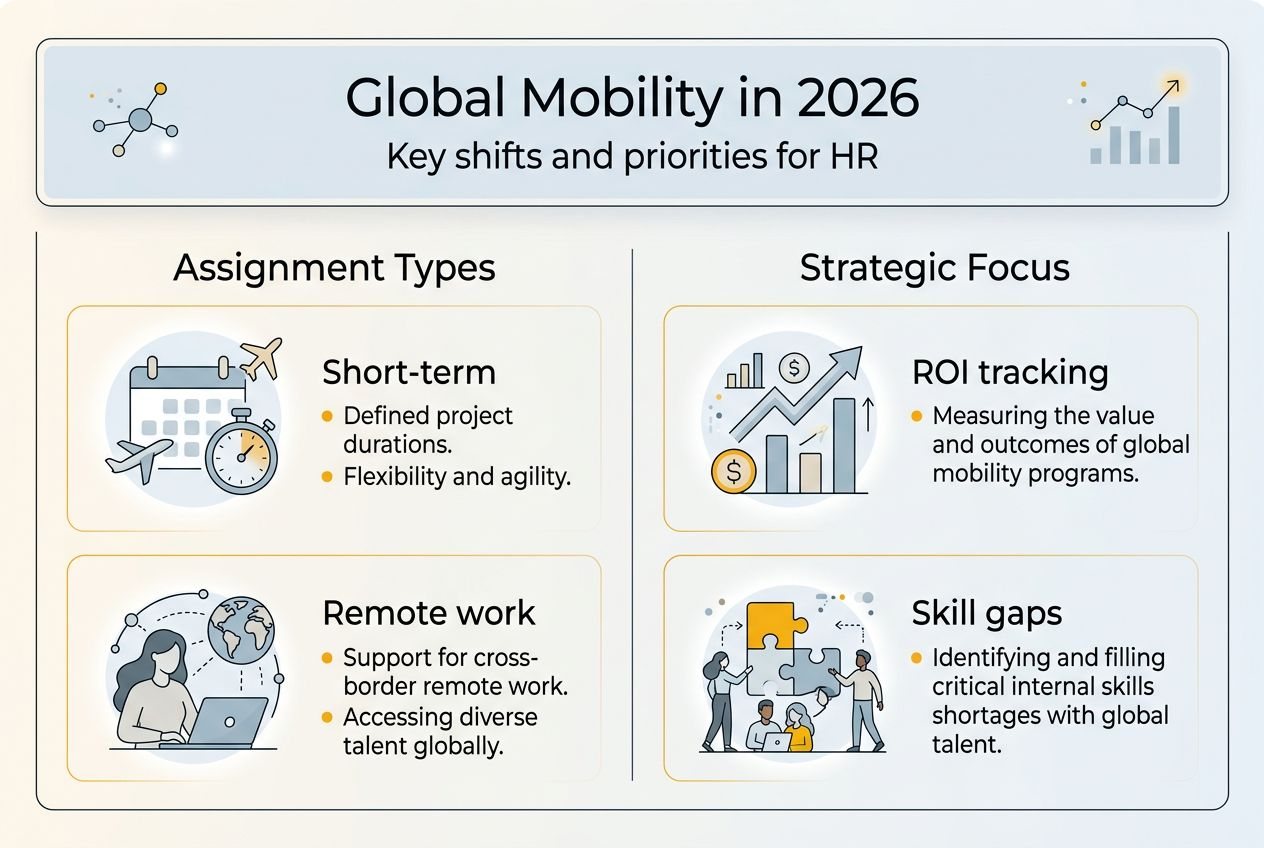
The race for scarce talent and the demand for flexible, innovative working models are reshaping mobility strategy in fundamental ways. Organizations can no longer rely on traditional long-term assignments as their primary mobility tool. They must offer diverse options that accommodate employee preferences while still meeting business needs.
Strategic redeployment programs allow organizations to move talent quickly to address emerging opportunities or market challenges. Digital nomad programs recognize that some employees can contribute effectively while working from multiple locations throughout the year. These approaches require different policy frameworks, technology capabilities, and compliance strategies than traditional mobility models.
| Traditional Mobility | Emerging Mobility Approaches |
|---|---|
| Long-term assignments (2-5 years) | Flexible duration assignments (3-18 months) |
| Physical relocation required | Remote work with periodic travel |
| Family accompaniment standard | Individual assignments with virtual family support |
| Comprehensive expatriate packages | Localized or hybrid compensation models |
| Single assignment location | Multi-location or nomadic work arrangements |
Best practices that distinguish high-performing mobility programs include:
- 🔸Aligning mobility strategy directly with business objectives and talent priorities
- 🔸Leveraging data analytics to optimize assignment costs and measure program outcomes
- 🔸Providing continuous training for mobility team members on compliance and technology
- 🔸Engaging employees early in assignment planning to understand preferences and concerns
- 🔸Building flexibility into policies to accommodate diverse assignment types and employee needs
- 🔸Establishing clear governance frameworks that define decision rights and accountability
- 🔸Partnering with technology providers who understand mobility complexity and regulatory requirements
Pro Tip: Engage executive leadership proactively to build support for innovative mobility strategies by demonstrating how flexible programs address talent acquisition challenges and competitive positioning in key markets.
Economic uncertainty also influences mobility decisions in 2026. CEO confidence in the global economy is at its weakest level (68 percent) since 2021, creating pressure to justify mobility investments with clear business cases. This environment makes ROI demonstration even more critical and reinforces the importance of technology platforms that provide transparent cost tracking and outcome measurement.
Organizations developing remote work mobility programs must address compliance questions around permanent establishment risk, tax nexus, and immigration requirements that traditional assignments did not raise. Success requires collaboration between mobility, legal, tax, and HR teams to develop compliant frameworks that still enable workforce flexibility.
Using global mobility to bridge skill gaps has become a strategic imperative as specialized talent shortages intensify across industries and geographies. Mobility programs that can deploy scarce expertise quickly and compliantly create significant competitive advantages for their organizations.
Explore xpath.global solutions for streamlined global mobility
Navigating the complexity of modern global mobility requires technology and expertise working together seamlessly. xpath.global delivers integrated global mobility solutions designed specifically for HR and mobility managers seeking to transform their programs from administrative functions into strategic business drivers.
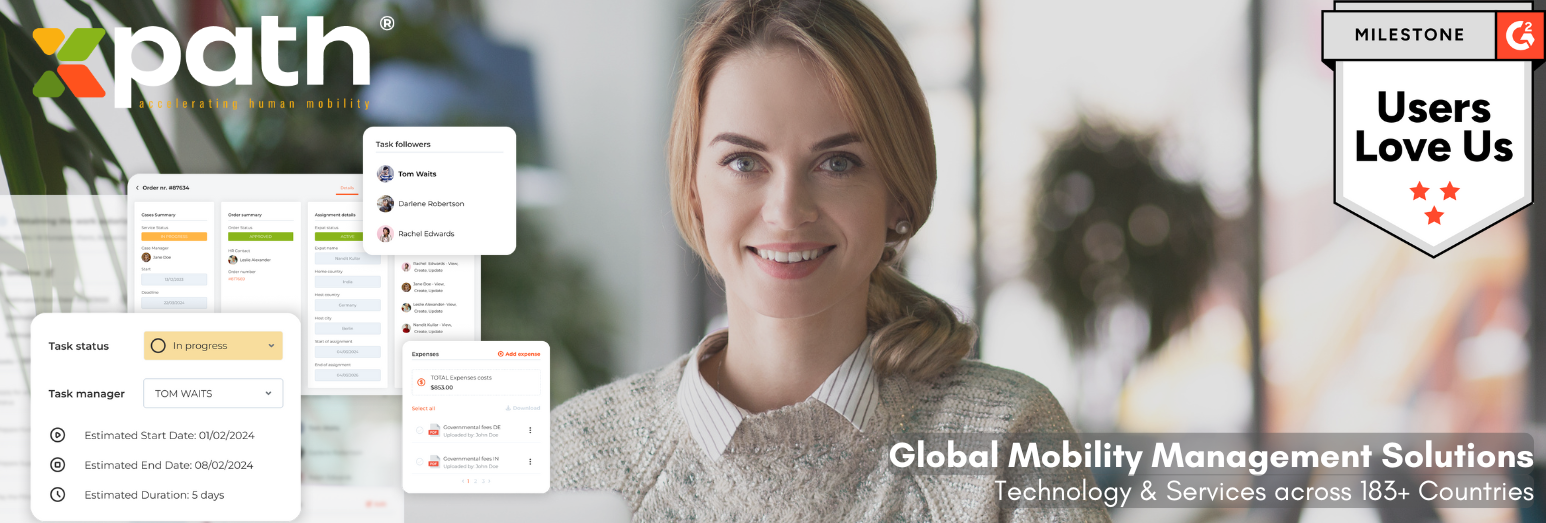
Our unified platform centralizes assignment management, compliance tracking, vendor coordination, and employee support in one digital ecosystem. You gain real-time visibility into every assignment, automated workflows that eliminate manual tasks, and analytics dashboards that demonstrate program ROI to executive stakeholders. Choosing the right global mobility technology determines whether your program can scale efficiently and adapt to evolving business needs.
xpath.global combines enterprise SaaS technology with global mobility consulting services, providing both the platform infrastructure and expert guidance needed to build a strong global mobility program that supports flexible work models, diverse assignment types, and compliance across 183 countries. Our vendor marketplace connects you with 60,000 vetted service providers, eliminating procurement delays while ensuring quality and transparency.
Pro Tip: Maximize mobility ROI by partnering with technology providers who understand both the operational complexity and strategic potential of global workforce programs, ensuring your platform investment delivers measurable business value.
Frequently asked questions
What is the difference between global mobility and international relocation?
Global mobility encompasses the strategic management of all cross-border workforce movement, including long-term assignments, short-term projects, remote work arrangements, business travel, and permanent relocations. International relocation specifically refers to the physical process of moving an employee and their belongings from one country to another. Global mobility includes relocation as one component but extends to policy design, compliance management, assignment planning, and ongoing employee support throughout the international work experience.
How can HR measure the ROI of a global mobility program?
Measure ROI through multiple metrics including cost per assignment compared to local hiring alternatives, employee retention rates for assignees versus non-mobile employees, time to fill critical roles using mobility versus external recruitment, and compliance incident rates. Demonstrating program ROI is the top challenge for mobility leaders, making accurate tracking essential. Technology dashboards that consolidate assignment costs, track business outcomes, and measure employee satisfaction provide the data foundation needed for compelling ROI analysis that resonates with executive stakeholders.
What technology features are most important for effective global mobility management?
Essential features include centralized case management platforms that track assignments from initiation through completion, workflow automation that ensures process consistency and compliance, real-time analytics dashboards that surface program insights, employee self-service portals that reduce administrative workload, and vendor marketplace integration for transparent service procurement. Mobility teams that embrace technology drive greater efficiency and value. Integration capabilities connecting mobility platforms with HRIS, payroll, and finance systems are equally critical for data accuracy and operational efficiency.
How do flexible work models impact global mobility compliance?
Flexible work arrangements create new compliance challenges around permanent establishment risk, tax nexus determination, immigration status requirements, and social security obligations that traditional assignments did not raise. Remote work across borders may trigger tax filing obligations in multiple jurisdictions, require work authorization even without physical relocation, and create corporate tax exposure if not structured properly. Organizations must develop compliance frameworks addressing these risks while still enabling workforce flexibility, typically requiring collaboration between mobility, legal, tax, and HR teams to balance business needs with regulatory requirements.
Recommended
- Things to Consider When Choosing Your Global Mobility Policy – xpath.global
- Tools to optimize global mobility programs – xpath.global
- Things to Consider For Avoiding Policy Mistakes in Global Mobility – xpath.global
- Remote Work Made Easy With a Strong Global Mobility Program – xpath.global
- 31 Clever Business Travel Tips from Industry Professionals