






Managing immigration cases for employee relocations across borders demands precision, speed, and compliance. When HR and global mobility teams rely on fragmented spreadsheets, email chains, and disconnected vendors, they face delays that disrupt workforce planning and expose the organization to regulatory penalties. In 2026, multinational corporations need streamlined workflows that integrate technology, clear processes, and proactive communication to move talent efficiently while maintaining compliance across jurisdictions. This guide provides step-by-step strategies to optimize your immigration case management workflow, reduce risks, and accelerate employee relocations.
Understanding challenges in immigration case management workflows
Immigration case management involves navigating multiple legal jurisdictions, each with distinct visa categories, application procedures, and compliance requirements. HR teams must coordinate work permits, residency applications, and dependent visas while meeting tight deadlines that align with business needs. When a major automation project required deploying 30 commissioning engineers urgently, workforce challenges highlighted how critical timelines pressure mobility teams to execute flawlessly.
Non-compliance carries severe consequences. Regulatory violations result in financial penalties, application rejections, and reputational damage that can affect future hiring. Communication breakdowns between HR, legal counsel, immigration attorneys, and employees create information gaps that delay document submission and extend processing times. Manual processes compound these issues, as teams track cases through spreadsheets that lack real-time visibility and automated alerts.
“Immigration workflows demand precision across jurisdictions. A single missing document or missed deadline can derail an entire relocation timeline and impact business operations.”
Common workflow challenges include:
- 🔸Inconsistent documentation standards across countries
- 🔸Limited visibility into case status and bottlenecks
- 🔸Difficulty coordinating multiple service providers
- 🔸Lack of standardized processes for different visa types
- 🔸Inadequate tracking of regulatory changes
These obstacles directly impact workforce planning. When immigration approvals lag, projects face resource shortages, and employees experience uncertainty that affects morale and productivity. Organizations that fail to address immigration compliance challenges risk operational disruptions that extend beyond individual cases.
Preparing for an efficient immigration case management workflow
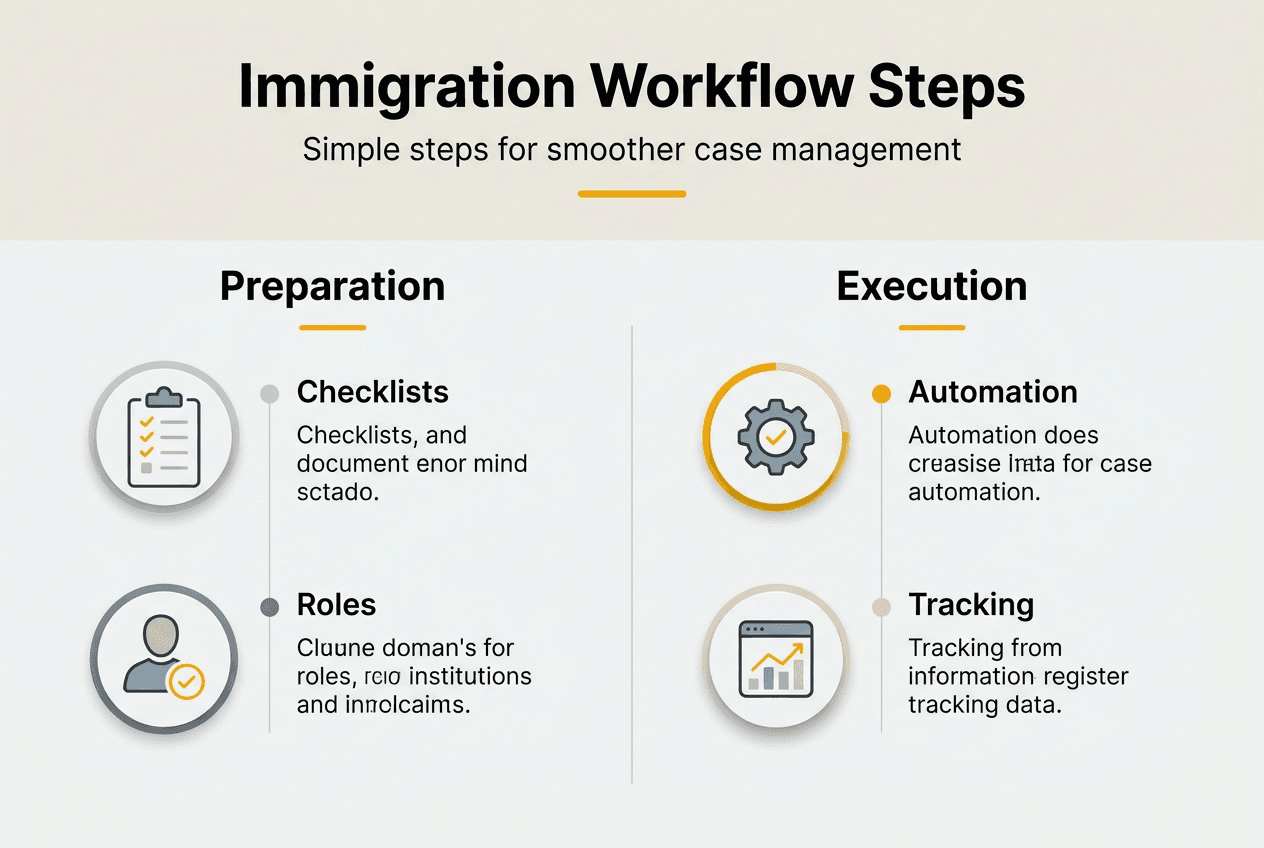
Effective preparation establishes the foundation for smooth case execution. Before initiating immigration applications, identify all required documentation based on destination country, visa category, and employee circumstances. Standard documents include passports, educational credentials, employment contracts, and proof of specialized skills, but requirements vary significantly across jurisdictions.
Define clear roles and responsibilities across your mobility ecosystem. HR teams typically manage employee communication and initial data collection. Legal and compliance specialists verify eligibility and regulatory requirements. Immigration attorneys prepare and file applications. Mobility coordinators track progress and manage vendor relationships. When roles overlap or remain undefined, accountability gaps emerge that slow case progression.
Technology selection directly impacts workflow efficiency. Modern platforms centralize case management, automate task assignments, and provide real-time status dashboards. AI-driven immigration tools enhance accuracy by identifying missing documents, flagging potential compliance issues, and predicting processing timelines based on historical data. These capabilities transform reactive case management into proactive workflow optimization.

Pro Tip: Create jurisdiction-specific checklists that outline documentation requirements, processing timelines, and common pitfalls. Update these resources quarterly to reflect regulatory changes and maintain accuracy.
Establish clear timelines with built-in buffer periods. Immigration processing times fluctuate based on government workload, policy changes, and seasonal variations. Map backward from your target employee start date, accounting for application preparation, government processing, and potential requests for additional evidence. Build checkpoints at critical milestones to verify progress and identify delays early.
Investing time in preparation reduces downstream friction. Teams that implement structured intake processes and leverage global mobility technology report faster case resolution and fewer compliance incidents. Preparation also improves the employee experience by setting clear expectations and reducing uncertainty during the relocation process.
Consider how improving business immigration processes through systematic preparation creates competitive advantages in talent acquisition and deployment.
Executing the immigration case management workflow step-by-step
Successful immigration case management follows a structured sequence that maintains momentum while ensuring compliance. Each step builds on the previous phase, creating a systematic approach that reduces errors and accelerates approvals.
- Intake and employee detail verification: Collect comprehensive employee information including personal details, employment history, educational background, and family composition. Verify data accuracy immediately to prevent downstream corrections that delay applications. Confirm the employee’s eligibility for the target visa category based on role requirements and qualifications.
- Compliance and eligibility checks: Assess regulatory requirements for the destination country and visa type. Review immigration history, previous visa denials, and potential admissibility issues. Confirm the employer’s authorization to sponsor foreign workers and verify compliance with local labor market testing requirements where applicable.
- Document collection and review workflows: Request required documents using standardized templates that explain format requirements and acceptance criteria. Implement review protocols where legal specialists verify document completeness and accuracy before submission. Use technology platforms that allow employees to upload documents directly and track outstanding items automatically.
- Filing immigration applications: Prepare application forms with meticulous attention to detail. Cross-reference information across documents to ensure consistency. Submit applications through appropriate channels, whether electronic portals or physical filing locations. Retain confirmation receipts and case numbers for tracking purposes.
- Tracking case progress and proactive communication: Monitor application status through government portals and attorney updates. Establish regular communication cadences with employees, providing status updates even when no changes occur. Respond immediately to requests for additional evidence or clarification from immigration authorities.
- Employee relocation coordination: Upon approval, coordinate travel arrangements, housing, and settling-in services. Brief employees on entry procedures, document requirements for border crossing, and initial compliance obligations in the destination country. The urgent need to deploy specialized engineers quickly demonstrates how relocation coordination must align tightly with business timelines.
Pro Tip: Create case-specific communication plans that outline who receives updates, at what frequency, and through which channels. This prevents information gaps and reduces anxiety for relocating employees.
Executing these steps systematically while leveraging technology creates competitive advantages. Organizations that understand the benefits of hiring foreign workers invest in workflows that make international talent acquisition efficient and predictable. As AI disrupts HR and recruiting, immigration case management becomes increasingly automated and accurate.
Verifying, monitoring, and optimizing your immigration workflow
Ongoing verification ensures workflow quality and compliance sustainability. Conduct regular audits of completed cases, reviewing application files for documentation completeness, procedural adherence, and outcome success rates. Identify patterns in delays or denials that indicate systemic issues requiring process adjustments.
Monitor key performance indicators that reveal workflow health. Track average time from case initiation to approval, document collection completion rates, and percentage of applications approved without requests for additional evidence. Compare actual timelines against planned schedules to identify bottlenecks and capacity constraints.
Pro Tip: Establish quarterly reviews with immigration attorneys and service providers to discuss regulatory changes, processing trends, and optimization opportunities. These sessions surface insights that internal teams might miss.
Implement structured feedback loops that capture insights from all stakeholders. HR teams identify intake process improvements. Legal specialists recommend compliance enhancements. Employees share experience feedback that reveals communication gaps or support needs. Synthesize this input into actionable workflow refinements.
Leverage technology dashboards for real-time visibility. Modern platforms display case status, upcoming deadlines, and resource allocation across your entire immigration portfolio. Automated alerts notify teams of approaching deadlines, missing documents, or regulatory changes affecting active cases. Immigration AI capabilities continuously learn from case outcomes, improving predictions and recommendations over time.
Stay current on regulatory developments that impact workflows. Immigration policies change frequently, affecting processing procedures, documentation requirements, and eligibility criteria. Subscribe to government updates, participate in industry forums, and maintain relationships with legal experts who monitor policy shifts. Update internal processes immediately when regulations change to prevent non-compliant filings.
Continuous improvement transforms immigration case management from a reactive administrative function into a strategic capability. Organizations that invest in optimization report:
- 🔸Reduced case processing times by 30-40%
- 🔸Lower compliance incident rates
- 🔸Improved employee satisfaction scores
- 🔸Enhanced ability to meet urgent business needs
- 🔸Better cost predictability and budget management
Maintaining compliance across international assignments requires systematic verification and monitoring. Platforms that support securing compliance proactively enable teams to identify risks before they materialize into violations.
Explore global mobility solutions for seamless immigration management
Streamlining immigration workflows requires the right combination of technology, processes, and expertise. Professional global mobility solutions integrate case management platforms with immigration coordination services, creating end-to-end support for multinational corporations managing complex relocation programs.
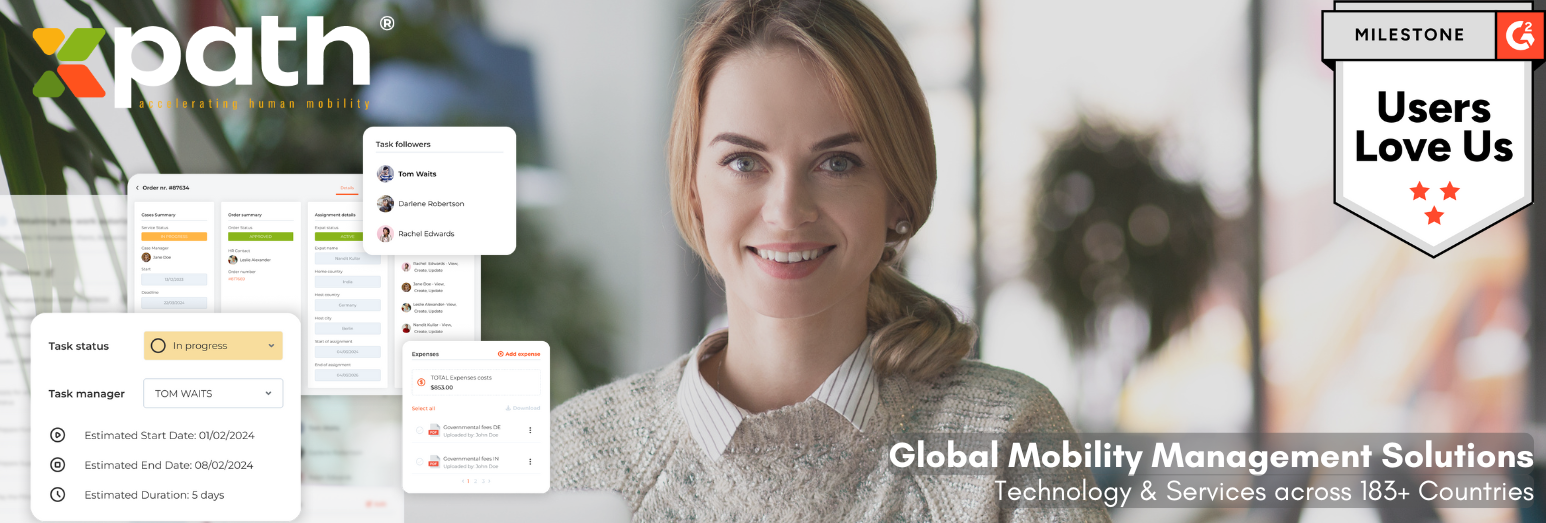
Modern platforms centralize employee data, vendor coordination, and compliance tracking in unified environments that eliminate fragmented spreadsheets and email chains. These systems automate routine tasks, provide real-time visibility, and generate insights that drive continuous improvement. When combined with expert immigration coordination, organizations gain both technological efficiency and strategic guidance.
Selecting appropriate global mobility technology depends on your program scale, geographic footprint, and integration requirements. Evaluate platforms based on workflow automation capabilities, vendor marketplace access, compliance features, and reporting functionality. Consider how technology supports broader mobility initiatives, including global mobility programs embracing remote work that expand talent access beyond traditional relocation models.
Frequently asked questions
What is an immigration case management workflow?
An immigration case management workflow is a structured process that tracks and manages all steps required to obtain work authorization and relocate employees across borders. It ensures compliance with destination country regulations while coordinating documentation, application filing, and approval monitoring. Effective workflows incorporate clear role definitions, milestone tracking, and proactive communication to prevent delays and maintain transparency throughout the immigration process.
How can AI improve immigration case management workflows?
AI enhances immigration workflows by automating document review, predicting processing timelines, and identifying potential compliance issues before submission. These capabilities reduce manual errors, accelerate case progression, and enable HR teams to focus on strategic activities rather than administrative tasks. AI-driven platforms learn from historical case data to provide increasingly accurate recommendations and flag anomalies that human reviewers might overlook. Organizations improving business immigration processes through AI report significant efficiency gains and reduced compliance incidents.
What are the top challenges in managing immigration workflows?
Immigration workflow challenges stem from complex regulations that vary across countries, strict timelines that pressure teams to mobilize talent quickly, and coordination difficulties across multiple stakeholders. Deploying specialized engineers urgently illustrates how business needs create time pressure that amplifies workflow complexity. Maintaining consistent communication, managing document requirements across jurisdictions, and tracking regulatory changes add layers of difficulty. Organizations face these immigration compliance challenges daily, requiring robust processes and technology to maintain efficiency.
How long does a typical immigration case take to process?
Processing timelines vary significantly based on destination country, visa category, and current government workload. Standard employment-based visas may process in 2-6 months, while expedited categories can complete in weeks. Complex cases involving labor market testing or specialized approvals extend timelines to 6-12 months or longer. Building buffer periods into planning accounts for variability and prevents business disruptions when processing extends beyond average timelines.
What documentation is required for most immigration cases?
Common documentation includes valid passports, educational credentials, employment verification letters, and proof of specialized qualifications or experience. Many jurisdictions require employer sponsorship letters, job descriptions, and evidence of compensation. Family-based applications add marriage certificates, birth certificates, and dependent documentation. Specific requirements vary by country and visa type, making jurisdiction-specific checklists essential for complete application preparation.
Recommended
Previous article